


The Truth Behind Mexican Vanilla: FDA Warnings and Real Vanilla Bean Alternatives
- gourmetvanillaspic
- May 2
- 4 min read
Mexican vanilla has gained a reputation that raises serious questions among consumers. Why has the FDA declared some Mexican vanilla products as potentially carcinogenic? And why do many of these products not contain real vanilla beans? This post explores the facts behind these concerns, explains what causes the FDA warnings, and offers guidance on choosing authentic vanilla alternatives.
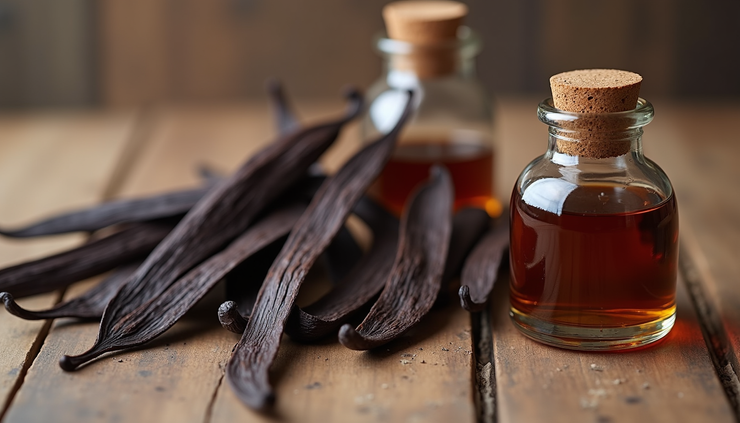
What Is Mexican Vanilla and Why Is It Popular?
Vanilla is one of the most popular flavors worldwide, used in everything from desserts to perfumes. Mexican vanilla traditionally refers to vanilla extract or flavoring made in Mexico, often marketed as a premium or authentic option due to Mexico’s history as the original home of the vanilla orchid.
Mexican vanilla is popular because:
It is often less expensive than pure vanilla from Madagascar or Tahiti.
It carries the allure of being “authentic” due to Mexico’s vanilla cultivation history.
It is widely available in supermarkets and online.
However, the term “Mexican vanilla” is not regulated strictly, which means the quality and ingredients can vary widely.
Why Has the FDA Declared Some Mexican Vanilla Products Carcinogenic?
The FDA has issued warnings about certain Mexican vanilla products because they contain carcinogenic substances, specifically ethanol extracts contaminated with harmful chemicals. The main concerns include:
Use of Coumarin
Some Mexican vanilla products have been found to contain coumarin, a chemical banned by the FDA in food products.
Coumarin is naturally found in tonka beans and some other plants but is toxic to the liver and kidneys in high doses.
It is sometimes added illegally to vanilla products to mimic the sweet aroma of vanilla because it is cheaper than real vanilla extract.
Presence of Synthetic Vanillin and Other Additives
Many Mexican vanilla products use synthetic vanillin derived from wood pulp or coal tar instead of real vanilla beans.
These synthetic compounds can contain impurities or contaminants that raise health concerns.
Some products also include coloring agents or preservatives that are not disclosed on labels.
Lack of Proper Labeling and Quality Control
The FDA has found that some Mexican vanilla products do not meet labeling standards.
They may claim to be “pure vanilla extract” but contain little or no vanilla bean content.
This mislabeling misleads consumers and poses health risks if harmful additives are present.
How to Identify Real Vanilla Bean Products
Choosing real vanilla products requires awareness and careful reading of labels. Here are some tips:
Look for “Pure Vanilla Extract”: This means the product is made by soaking real vanilla beans in alcohol and water.
Check the Ingredients: Real vanilla extract should list vanilla beans or vanilla bean extract, alcohol, and water only.
Avoid Products with “Vanilla Flavor” or “Imitation Vanilla”: These usually contain synthetic vanillin or other flavorings.
Price Matters: Real vanilla extract is expensive due to the labor-intensive cultivation of vanilla beans. Extremely cheap products are often synthetic.
Buy from Reputable Brands: Brands with transparent sourcing and quality certifications are safer choices.
Alternatives to Mexican Vanilla That Use Real Vanilla Beans
If you want to avoid the risks associated with some Mexican vanilla products, consider these alternatives:
Madagascar Bourbon Vanilla
The most common and highly regarded vanilla variety.
Known for its rich, creamy flavor.
Widely available as pure extract or whole beans.
Tahitian Vanilla
Has a floral, fruity aroma.
Grown mainly in French Polynesia.
More expensive but prized for unique flavor.
Organic Vanilla Extracts
Certified organic products often have stricter quality controls.
Free from synthetic additives and harmful chemicals.
Vanilla Bean Paste
Made from real vanilla beans mixed with extract.
Offers intense flavor and visible vanilla seeds.
Great for baking and cooking.
The Impact of Fake Vanilla on Consumers and the Market
The presence of fake or adulterated vanilla products affects both consumers and the vanilla market:
Health Risks: Exposure to carcinogenic substances like coumarin can cause long-term health problems.
Economic Loss: Consumers pay for products that do not deliver real vanilla flavor.
Damage to Genuine Producers: Farmers and producers of real vanilla beans suffer from unfair competition.
Erosion of Trust: Consumers become wary of vanilla products in general.
What You Can Do to Protect Yourself
Always read labels carefully.
Research brands before purchasing.
Consider buying whole vanilla beans and making your own extract.
Report suspicious products to food safety authorities.
Support ethical and transparent vanilla producers.
Mexican vanilla’s reputation has been tarnished by FDA warnings about carcinogenic substances and the use of synthetic or adulterated ingredients. Understanding these issues helps consumers make informed choices and avoid health risks. By choosing real vanilla bean products from trusted sources, you can enjoy the rich, natural flavor of vanilla without compromise.
Mexico also doesn't have an agency similar to FDA, there is no protection, no regulations to their label claims. They can claim pure vanilla, without any actual vanilla beans used in the extract. Tonka beans (from a tree, not an orchid) is most commonly used by the larger bottles at lower prices from Mexico) Do NOT use your Mexican Vanilla.
Gourmet Vanilla 'n Spice, uses vanilla beans from Mexico, and top shelf spirits, such as Gray Goose vodka, and at FDA standards of weight and measurement, plus a minimum of 12 months to process into actual pure vanilla extract.


Comments